Last checked July 2026.
Tenerife's unmissables, at a glance:
- Mount Teide: Spain's highest peak, cable car to 3,555 m
- Siam Park: the world's top-ranked water park, Costa Adeje
- Whale and dolphin watching: resident pods year-round, Europe's first Whale Heritage Site
- Masca gorge: a cliff-walled descent hike in the northwest
- Loro Parque: orcas, gorillas and Antarctic penguins
How to choose
Tenerife at a glance: how to choose
Tenerife splits into three worlds, and the things to do in Tenerife you'll actually remember depend on which one you build your days around.
The centre is Teide: a high-altitude volcanic landscape unlike anywhere else in Europe, best treated as a full day and booked ahead if you want the summit.
Green north is forests, colonial old towns, natural pools and Loro Parque. It's cooler, cloudier and slower. From a south base, treat it as a day trip, not a home.
Resort south is where most visitors sleep: reliable sun, the best beaches, Siam Park, whale watching off Costa Adeje, and the nightlife. If you're deciding where to base yourself, start here.
Everything below is sorted by how much it's actually worth. Essentials first, then picks by who you're travelling with, then the underrated stuff other lists skip, and finally the overrated ones plus what to do instead.
The essentials
The essentials: experiences worth building a trip around
These six are the reason people come back. Book the bookable ones ahead.
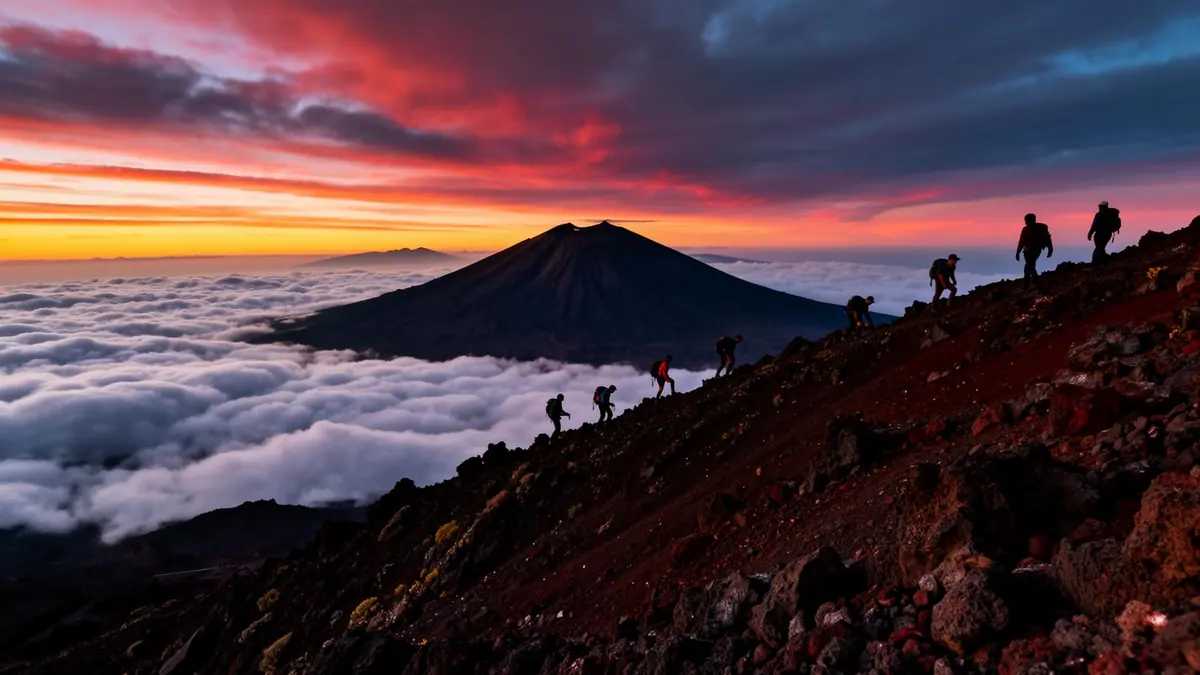
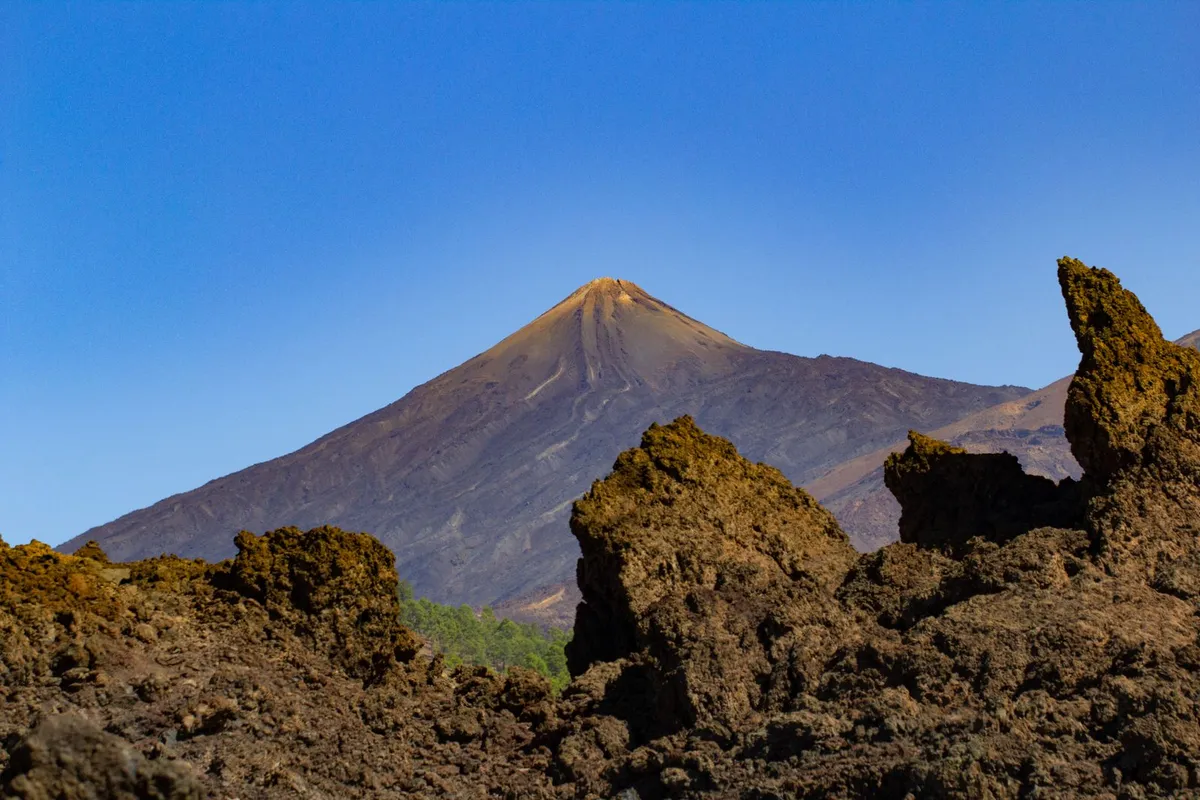
Spain's highest peak rises to 3,718 metres, and the cable car climbs to 3,555 m in eight minutes across a Teide National Park landscape that looks closer to Mars than the Atlantic. Here's the catch most people miss. The cable car stops 200 metres below the true summit, and standing on the top needs a separate €15 permit (Route 10), booked well ahead on Tenerife ON (tenerifeon.es). Altitude is real up here, so anyone with heart or breathing trouble should think twice. Block out a full day from either coast, and read the cable car guide before you commit.
Book this one if you want a guaranteed good day with zero planning. Siam Park in Costa Adeje holds the world's top water-park ranking, with the largest artificial wave anywhere and a 28-metre free-fall drop.
In winter, turn up for the 10:00 opening and most queues at Siam Park run under 15 minutes, so you can skip the paid Fast Pass entirely.
Everyone books Loro Parque for the orca show. It's the headline, but the gorilla enclosure and the Antarctic penguin tunnel at Loro Parque are the parts people talk about afterwards. This 135,000 m² park in Puerto de la Cruz sits in the north, so from a south base it's a two-hour-each-way day trip. Take the 9:30 opening slot to catch the animals active before the crowds land.
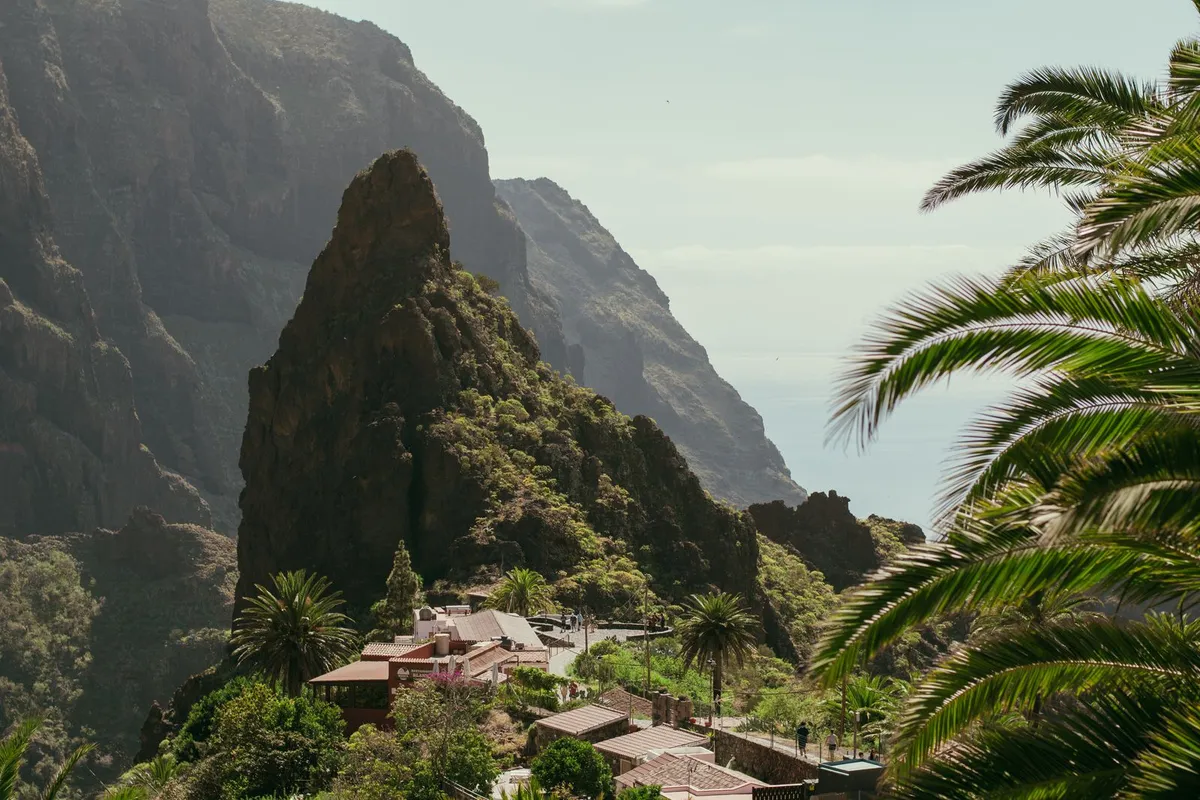
Four hours of switchbacks drop you from an isolated mountain village through a 600-metre-walled ravine to a secluded bay. Reaching the trail means TITSA line 355 from Santiago del Teide (every 20 minutes, 07:00 to 14:00), and private cars are banned at the trailhead. One honest warning: the return boat from Masca Bay cancels in rough seas without notice, and if it does, you climb back up, turning a four-hour descent into an eight-hour round trip. Book the earliest slot for calmer water. The full Masca gorge route is a fit-hikers-only day, not a photo stop.
Most visitors stop at the Cruz del Carmen visitor centre, photograph the laurel forest and leave. The better call is the PR-1 trail from Chamorga to Punta del Hidalgo: prehistoric cloud forest, a tiny coastal hamlet, and almost nobody on it. Anaga is a UNESCO Biosphere Reserve in the northeast, reached on the narrow, winding TF-12. Nervous drivers and beach-weather chasers should skip it, since it's often misty up here.
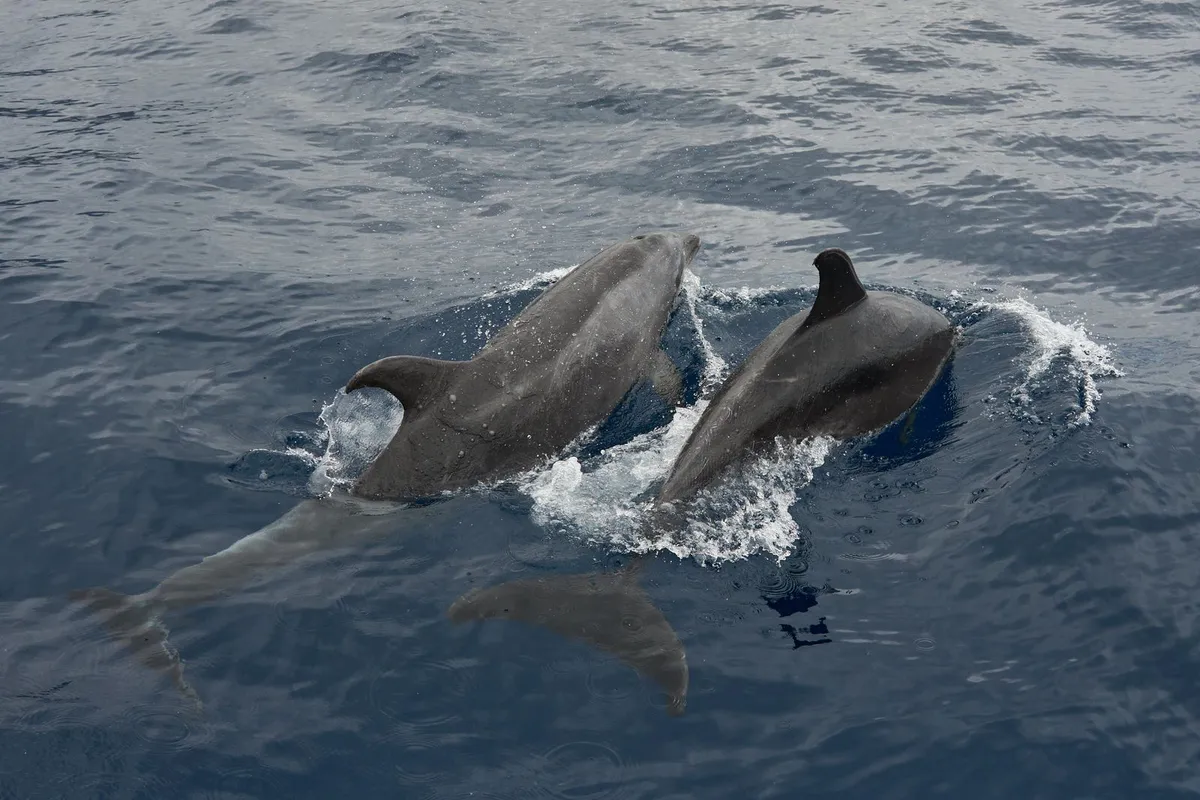
Europe's first Whale Heritage Site sits right off the southwest coast, where pilot whales and bottlenose dolphins live year-round rather than passing through on migration, which is why this is one of the most reliable whale-watching spots in Europe. Boats leave from Puerto Colón, Los Gigantes and Los Cristianos. The honest steer: the cheap two-hour party boats with loud music and open bars push wildlife away, so pay slightly more for a sailing catamaran or small yacht with Blue Boat certification and you'll get closer, quieter encounters. Seasickness-prone travellers should take something before the Atlantic swell. Check when to go by month if timing matters, then book a respectful operator through a licensed whale-watching tour.
Who with
Choose by who you're travelling with
The same island reads very differently depending on your group. Three picks each for couples, kids and adults.
Best for couples
The north owns romance in Tenerife, so treat these as day trips or a two-night detour from your south base.
Puerto de la Cruz is the island's oldest resort, all colonial balconies, black-sand beaches and the Jardín Botánico. Couples come here for a slower, more Canarian pace than the southern strip. Skip the main beach and walk 10 minutes to Playa del Bollullo, a wild black-sand cove where waves hit banana plantations and a small chiringuito grills the day's fish. Best for couples who want character over clubs.
Commercial sunset tours all funnel to the same crowded viewpoint. Rent a car instead, drive to the Minas de San José viewpoint 30 minutes after the sun drops, and the mountain and the Milky Way are yours. Teide sits under one of the world's clearest dark skies, and if astronomy is the point, the stargazing guide has the detail. Best for romantics and photographers who don't need an early night.
Garachico's volcanic rock pools (El Caletón) were carved by a 1706 eruption, and swimming in them is free. The 16th-century port town around them is one of the north's prettiest. The real find is a small guachinche up the hill with no menu, just whatever the owner cooked, poured with local wine. Best for couples who'd rather have cobblestones and rock pools than a sun lounger.
Best with kids
Three that keep children genuinely occupied, not just tolerated.
For families with children five and up, the Kinderlandia playground near the parrot show is the secret weapon: kids burn energy while you grab a coffee. Time the visit around the penguin feeding, when the colony is at its liveliest. Loro Parque needs four to six hours, so it's a poor fit for under-3s. It sits in the north, reachable by the free express train from Puerto de la Cruz. Best for animal-mad kids aged 5 to 12.
Siam Park's kids' zone, The Lost City, has a baby pool and kid-sized slides, and it empties out after 15:00 when younger families head home. That's when older kids re-ride with no queues. Mind the height limits, since most big slides need 1.10 m or more. Best for mixed-age families in the south.
A real submarine dives to around 30 metres off Los Cristianos, and children watch marine life through their own portholes. Book the morning slot for the clearest water. Tell the kids to spot the yellow sub from the beach before boarding. Skip it if anyone's claustrophobic. Best for curious children aged 4 and up.
Best for adults and nightlife
Grown-up days and nights, mostly built around food, wine and adrenaline.
Santa Cruz Carnival is the world's second-largest after Rio: two-plus weeks of parades, murga contests and the Coso Apoteosis. It runs every February. The next full season is February 2027 (dates to be confirmed by the Cabildo), so time a winter trip around it. The ticketed galas are the formal side, but the free street mogollón after midnight in Plaza de la Candelaria is the real party, where locals dance until dawn. Use the bus, because parking is impossible. Best for adults who love a street party.
North Tenerife's guachinche country runs through La Orotava, El Sauzal and Tacoronte, where family kitchens serve DO Tacoronte-Acentejo wine straight from the barrel. Real ones have no menu, just the day's stew (goat, rabbit or pork) and paper tablecloths. Look for a hand-painted sign or a garage door. A car is essential. Best for foodies and wine drinkers, though vegetarians will struggle here.
Tandem paragliding launches from 700 metres above Costa Adeje and lands near the beach. Book the morning window (10:00 to 12:00), when the thermals are smoother and the views clearer before the afternoon haze. The pricier sunset flight isn't worth it. Vertigo, back or heart issues rule it out. Best for adults chasing an aerial rush.
Underrated
Underrated: what the other lists skip
The picks most Tenerife roundups leave out, and the ones worth the detour.
Barranco del Infierno in Adeje is a 6.5 km ravine hike to one of the island's only permanent waterfalls, capped at 300 visitors a day with mandatory booking at barrancodelinfierno.es. Take the 08:00 slot: before 10:00 you get the ravine in near silence, and after it the tour groups arrive. Don't expect a giant cascade, since it's modest but lovely. It's a south-coast half-day escape from the resorts, and pairs well with the wider hiking guide.
Tenerife's westernmost tip is a lighthouse, sheer cliffs and a surf village most tour buses never reach. The road to Punta de Teno closes to private cars at weekends and peak times, but the TITSA shuttle from Buenavista runs regularly, and the views from the bus beat the drive. It's a two-hour trip from the south with no shops at the end, so bring water. Best for road-trippers and photographers.
Malpaís de Güímar is a 290-hectare lava field on the east coast with easy, near-empty trails and endemic plants you won't see elsewhere. The visitor centre is usually shut, but the paths are free and self-guiding. Pair it with lunch in Güímar town, not the Pyramids next door, which brings us to the next section. Best for a quiet walk with almost no other tourists.
Overrated
Overrated: skip these unless it's your thing
Now the honest part. These get sold hard and mostly disappoint. Here's what to do instead.
Pirámides de Güímar markets six stepped stone terraces as "mysterious" ruins. Most archaeologists read them as 19th-century agricultural stone piles, and the roughly €12.50 entry buys a small museum and a garden walk around them. Go instead: the Malpaís de Güímar lava field, free and genuinely singular, five minutes east.
Aqualand positions itself as the cheaper Siam Park. The slides are shorter, the queues less managed, the theming thin. Go instead: Siam Park, where the price gap pays for itself in ride quality within the first hour. If you're weighing up every water park on the island, the comparison isn't close.
Small private animal parks advertise "interactive" encounters, but they can't match the enclosure space or resources of an accredited facility. Go instead: Loro Parque, a longer trip north but a different league on scale and conservation credentials.
Strip-front paella on the resort promenades runs €18 to 24 and lacks the depth of local cooking. Walk three streets inland to a guachinche or local bar and you'll eat better for €8 to 12. Go instead: La Caleta fishing village, 10 minutes west of Costa Adeje, where the seafood lands where the boats do.
Where to base
Where in Tenerife? South and the resort strip
Most visitors sleep in the south, and that's the right call. The driest weather, the best beaches, Siam Park and the whale-watching ports all sit here. The strip runs from Los Cristianos through Las Américas to Costa Adeje, each with its own character. You'll find everything from calm family bays to the Verónicas nightlife across the south's things to do, and Las Américas anchors the busiest resort core. If you're still choosing a base, the best areas to stay guide breaks it down street by street.
Book ahead
Lock in the big three
If you only pre-book a handful of things, make them these. They reward booking ahead, and a skip-the-desk ticket genuinely saves your day.
For a wider set of on-the-water options, browse the range of boat tours running daily from the southern marinas.
Getting around
Getting around to reach these
Most of these are reachable without a car if you plan around the TITSA bus network, though the north and Teide are far easier with your own wheels. From the airport, the south transfer options get you to your resort in under 30 minutes. Day trips are easy too: the La Gomera ferry leaves Los Cristianos in about 50 minutes. Check the weather by month before you plan a Teide or whale day, and if you want the full network detail, getting around Tenerife covers buses, trams and car hire. Wondering what it all costs? The is Tenerife expensive guide has current figures.
Good to know
Frequently asked questions
What not to miss in Tenerife?
Mount Teide, Siam Park, and a whale-watching trip off the southwest coast are the three most visitors regret skipping. Teide for the volcanic landscape and cable car, Siam Park for a guaranteed fun day in Costa Adeje, and the boat trip for near-guaranteed pilot whales and dolphins year-round. Add Masca gorge if you're a hiker, and Loro Parque if you're travelling with animal-loving kids.
Why is Tenerife on the no go list?
Tenerife appears on Fodor's 2026 "No List" for overtourism, not for safety. No attractions are closed or dangerous. The flag is about strain on water, housing and infrastructure, with residents protesting short-term-rental-driven housing pressure through 2024 and 2025. You can still visit responsibly: favour locally owned stays, eat at guachinches, use TITSA buses over rental cars where practical, and avoid peak-season package crowds. Checked July 2026.
What is Tenerife most famous for?
Mount Teide, Spain's highest peak at 3,718 metres, is the island's signature sight. Beyond it, Tenerife is known for reliable year-round sunshine in the south, Siam Park, resident whales and dolphins offshore, and the Santa Cruz Carnival every February, the second-largest in the world after Rio's.
Related on TenerifeTourism
Sources for this guide: TITSA (bus lines and times), the Teide National Park summit-permit system on Tenerife ON (tenerifeon.es), the Barranco del Infierno booking system (barrancodelinfierno.es), Cabildo de Tenerife carnival and park information, the Whale Heritage Site designation for Tenerife's southwest coast, and Fodor's 2026 No List. Checked July 2026.
About our research
TenerifeTourism.com is an independent travel research hub. Our editorial team compiles each guide from official sources — the TITSA transport authority, the Canary Islands tourism board, and hotel operators' own data — and we flag clearly when a detail is confirmed versus estimated. Read our full methodology.