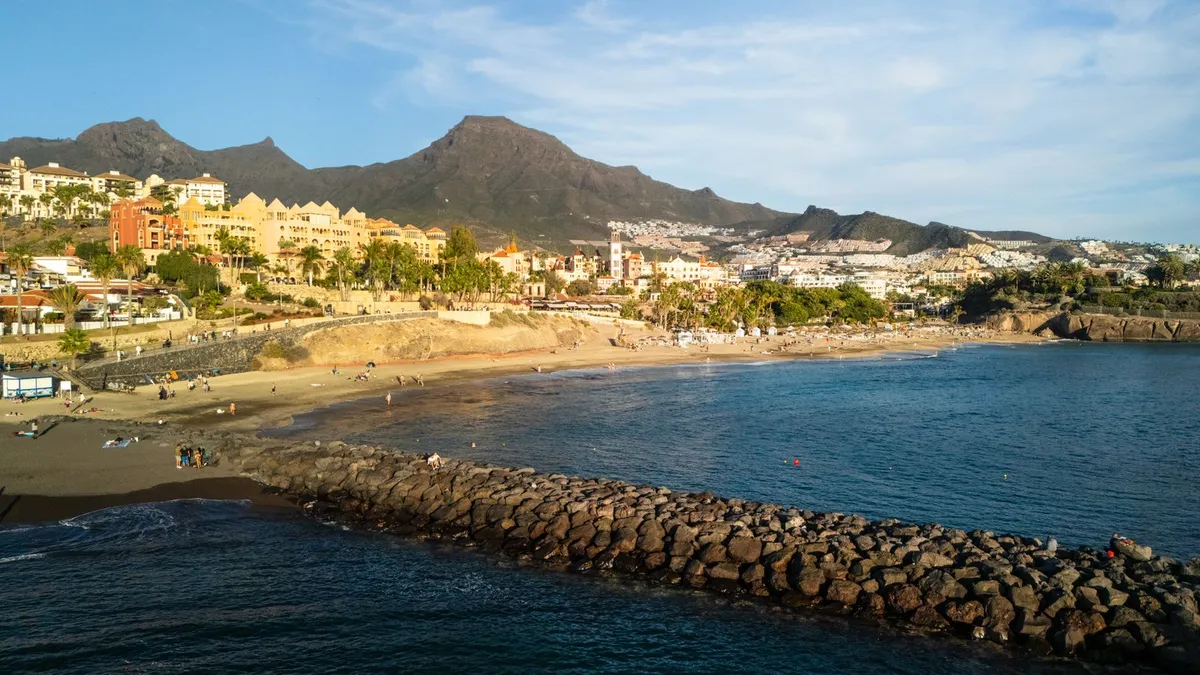
Costa Adeje is the best area to stay in Tenerife for most first-time visitors: reliable winter sun, the island's strongest hotel stock, and no car needed. Choose the north instead if culture and greenery matter more than beach weather, and expect to want a car anywhere outside the main southern resorts. This guide compares ten areas across the south, west and north, each with a verdict on who it suits, who should skip it, and one hotel pick. The climate gap between the two coasts is measurable, not marketing: southern winter afternoons average 22.2°C against 16.6°C at the northern airport station, with three times as many rain days in the north. Route yourself with the table below, then read only the areas that make your shortlist.
Start here
Which area suits you: the 60-second router
Last updated 24 July 2026. Transfer times and travel advice checked July 2026.
Here is every traveller type routed to the right base in one scan, so you can skip straight to the areas worth your reading time.
| Traveller type | Best area | Vibe | Car needed? | Hotel tier | Jump to |
|---|---|---|---|---|---|
| First-timers | Costa Adeje | Polished, upscale | No | Mid to luxury | Costa Adeje |
| Families | Costa Adeje (Torviscas or Fañabé) | Central, beach-first | No | Mid to luxury | Costa Adeje |
| Couples | La Caleta / Alcalá | Authentic, culinary | Recommended | High | La Caleta / Alcalá |
| Nightlife | Playa de las Américas | High energy | No | Mid | Playa de las Américas |
| No car | Los Cristianos | Traditional, active | No | Mid | Los Cristianos |
| Luxury | Costa Adeje (Playa del Duque) | 5-star enclave | No | High | Costa Adeje |
| Budget | El Médano | Bohemian, sporty | Recommended | Low to mid | El Médano |
| Local feel | Garachico or La Laguna | Historic, unhurried | Yes / recommended | Mid to high | Garachico |
Where the 10 areas sit
What Most Tenerife Area Guides Get Wrong
Most guides sort Tenerife by “best beach” or “best nightlife.” But the real decision isn’t about the beach. It is about what happens when you don’t have a car, or how far you are from Teide at 5am, or whether that “family-friendly” hotel is actually on a 40-minute bus route. This guide answers those questions with verified data: AEMET climate normals, TITSA 2026 bus fares, and editor-mapped hotel zones.
One caveat before the profiles. The best area for you depends on one decision that comes before all others, and it is the next section.
The big choice
North vs south: the decision that comes first
Stay in the south for weather you can rely on. Stay in the north for the greener, more Spanish side of the island. That is the whole decision, and the numbers back it up.
AEMET climate normals (1981 to 2010) put winter afternoon highs at 22.2°C at the Tenerife Sur airport station against 16.6°C at Tenerife Norte, with 2.5 rain days per month in the southern winter against 8.0 in the north. One note on fairness: the northern station sits at 632 m, so coastal north resorts run warmer than that figure. These are averages, not a forecast.
Our honest verdict: if this is your first trip, or a winter trip, base in the south and visit the north. The reverse works for repeat visitors and culture-first travellers, and our full north vs south comparison weighs the trade-off in depth. Wherever you base yourself, Teide National Park sits in the middle of the island within day-trip reach of both coasts.
The south
South Tenerife areas
The south is where the large majority of visitors base themselves, spread along a resort strip 20 minutes from Tenerife South airport. The four bases below are genuinely different from each other. Pick by personality, not by price alone.
Costa Adeje
Costa Adeje is the default answer for a reason, and we stand behind it as the best first-timer base on the island. Golden-sand beaches at Fañabé and Playa del Duque, the strongest hotel stock in Tenerife, and a 20-minute transfer from TFS. A traffic-free coastal promenade, about 10 km end to end from La Caleta to Los Cristianos, links Costa Adeje's beaches to both neighbouring resorts, which means you can walk to two other resorts on foot. Prices skew high, and that is the honest trade-off: you pay more here for the same sea.
It splits into three micro-zones, and nobody tells you this before booking. Playa del Duque is the 5-star enclave, quiet, exclusive and priced accordingly. Fañabé is the high-energy middle, highly walkable to shops and beach bars. Torviscas is more casual and budget-friendly, with concentrated tourist amenities and central access that make it one of the better family resorts in Tenerife.
Torviscas is also where the cheaper stock lives. Base there and you keep the promenade, the beaches and the bus links at a lower nightly rate; the trade is a longer walk to the Duque end and surroundings that feel more package-holiday than polished.
Skip Costa Adeje if you want nightlife on the doorstep or a tight budget. Start with our full Costa Adeje guide, then browse luxury hotels in Costa Adeje or the adults-only hotels in Tenerife South if you are travelling without children.
Our hotel pick: Bahía del Duque, the 5-star that anchors the Duque enclave, with colonial-style gardens and a rare luxury-plus-family character.
Playa de las Américas
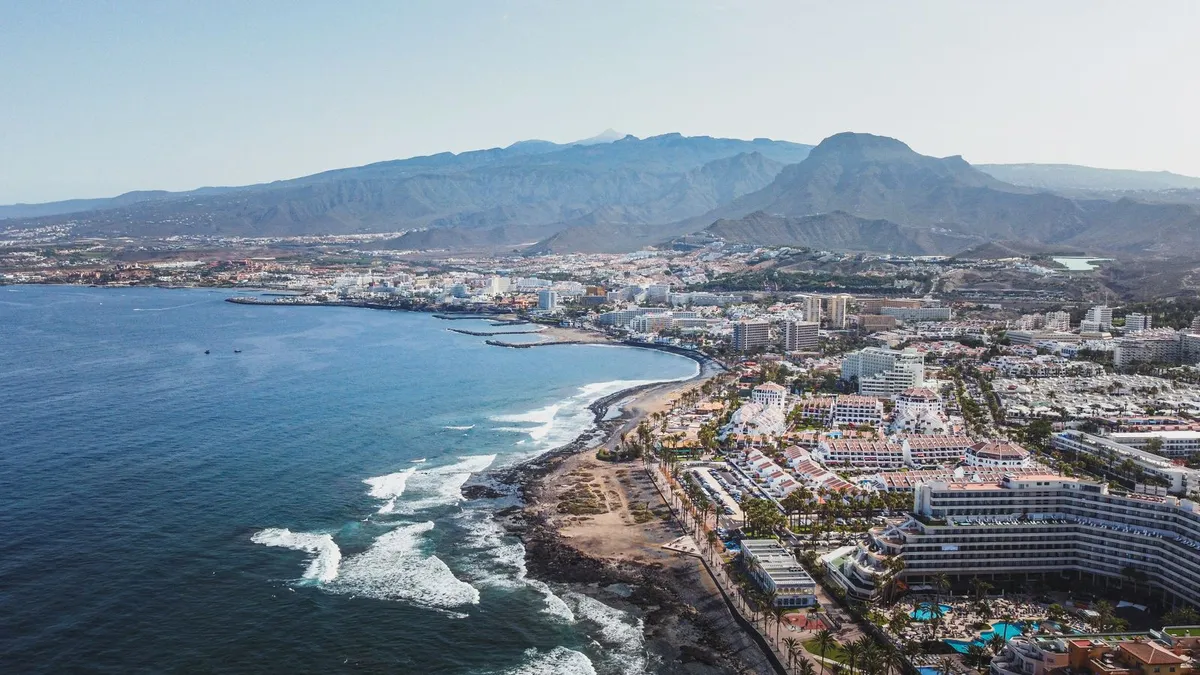
Nightlife is the reason to be here, and it is a good reason if that is your trip. The energy centres on the Verónicas strip, which is loud and unapologetic about it. What the reputation hides: the Golden Mile zone near CC Safari is upscale, family-friendly and quiet at night, so the area's character changes sharply street by street. Beaches are Playa de Troya, the strip's watersports hub, and El Camisón, a sheltered cove at the quieter southern end that is the area's most underrated stretch of sand.
Pricing spans budget to premium, the widest spread of any southern base, and the budget end concentrates around the Verónicas side. That is where the cheapest beds on the strip are; the trade is that you sleep where the noise is. Pay mid-range and aim for the Golden Mile if you want the price without the 4am soundtrack.
The transfer is 20 minutes, and no car is needed. Skip Playa de las Américas if quiet matters to you, unless you deliberately pick the calmer Golden Mile end.
Book this for design as much as location: Europe Villa Cortés, a 5-star built as a Mexican hacienda, is the strip's most distinctive property.
Los Cristianos
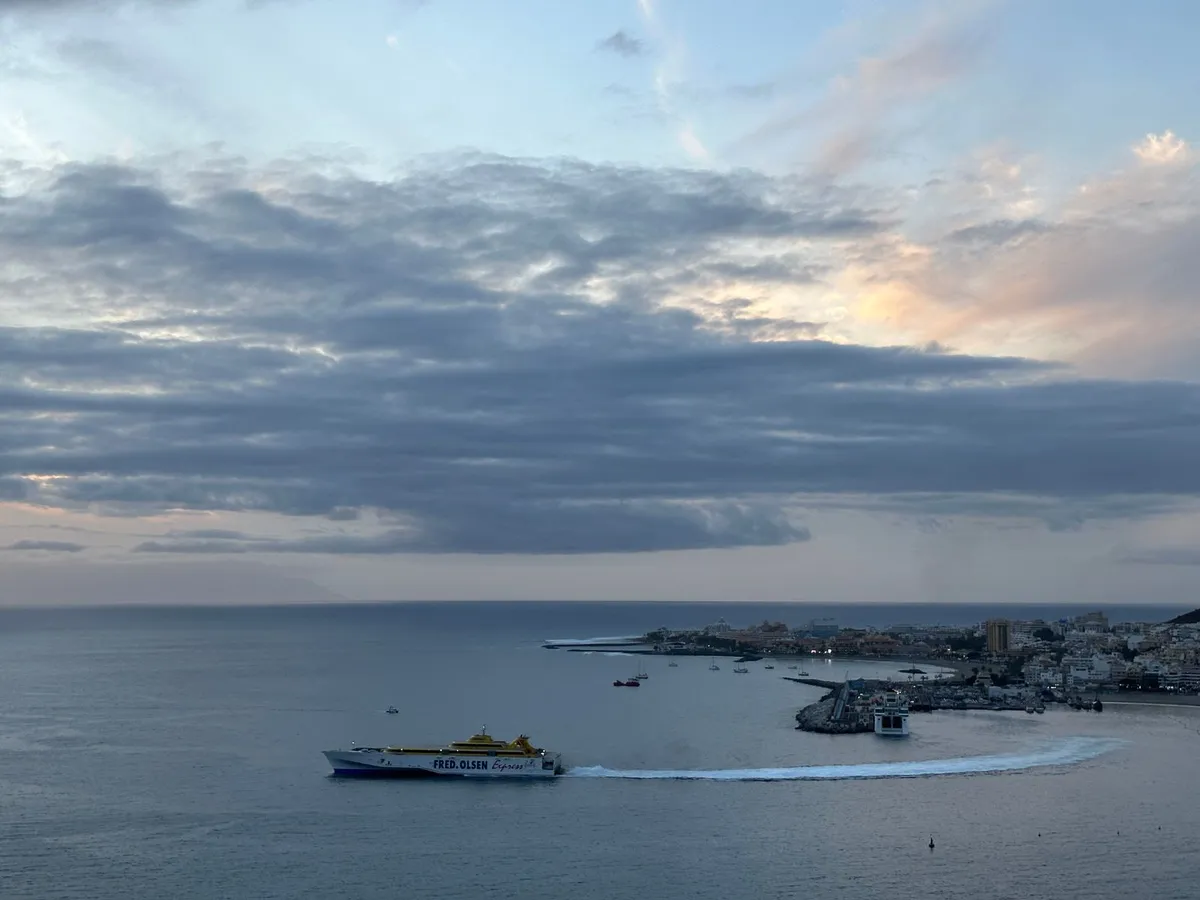
Book Los Cristianos if you want a real town under your holiday. A former fishing village around a working harbour, it is the ferry gateway to La Gomera and La Palma, the terrain is flat, and the whole seafront is walkable. It suits older visitors, value-focused families and anyone pairing island-hopping day trips with the south's wider range of excursions. Mid-range prices, 20 minutes from TFS, no car needed.
On budget, this is the best value of the three strip resorts for self-catering and local dining. The savings come from apartment stock and town-priced restaurants rather than resort complexes; the trade is fewer full-service hotel amenities, so all-inclusive hunters should look next door.
The trade-off is honest: this is not a party base, and the harbour front is busy rather than pretty. Skip it if nightlife tops your list, though Los Cristianos sits next to Las Américas when you want the nightlife next door.
Our pick sits opposite the harbour: Spring Arona Gran Hotel & Spa, a 4-star adults-only with a seafront rooftop infinity pool.
El Médano
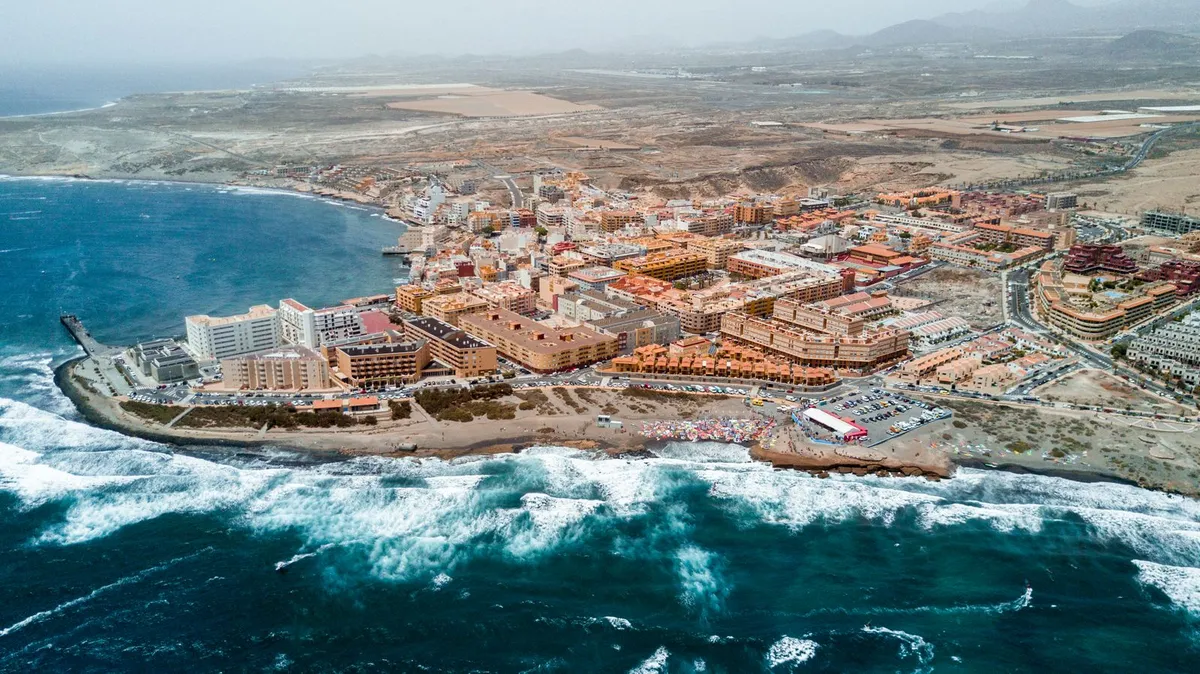
The wind is not a rumour. El Médano is the island's kitesurf and windsurf capital, and the same trade winds that make it a world-class sports beach make it the wrong choice for anyone who wants to lie still on a sunbed. The town itself is the most genuinely Spanish of the southern bases, bohemian, low-rise and dominated by the Montaña Roja landmark.
It is also the cheapest way to sleep on the south coast. Accommodation here is mostly apartments and villas rather than hotels, with no 5-star at all, and nightly rates run low to mid. The trade for that price is doing without resort infrastructure: no big pool complexes, no entertainment programmes, self-catering as the default.
Ten minutes from the airport by taxi, yet with no direct airport bus, which says everything about how untouristed it still is. A car is recommended for reaching the rest of the coast. Skip El Médano if wind bothers you, especially June to September.
Hotel Médano earns its place on one feature: direct sea-deck access, with the water underneath the terrace.
The west
West Tenerife areas
The west coast trades convenience for drama and quiet. Transfers are longer and a car earns its keep, but these two bases reward the extra effort in different ways.
Los Gigantes
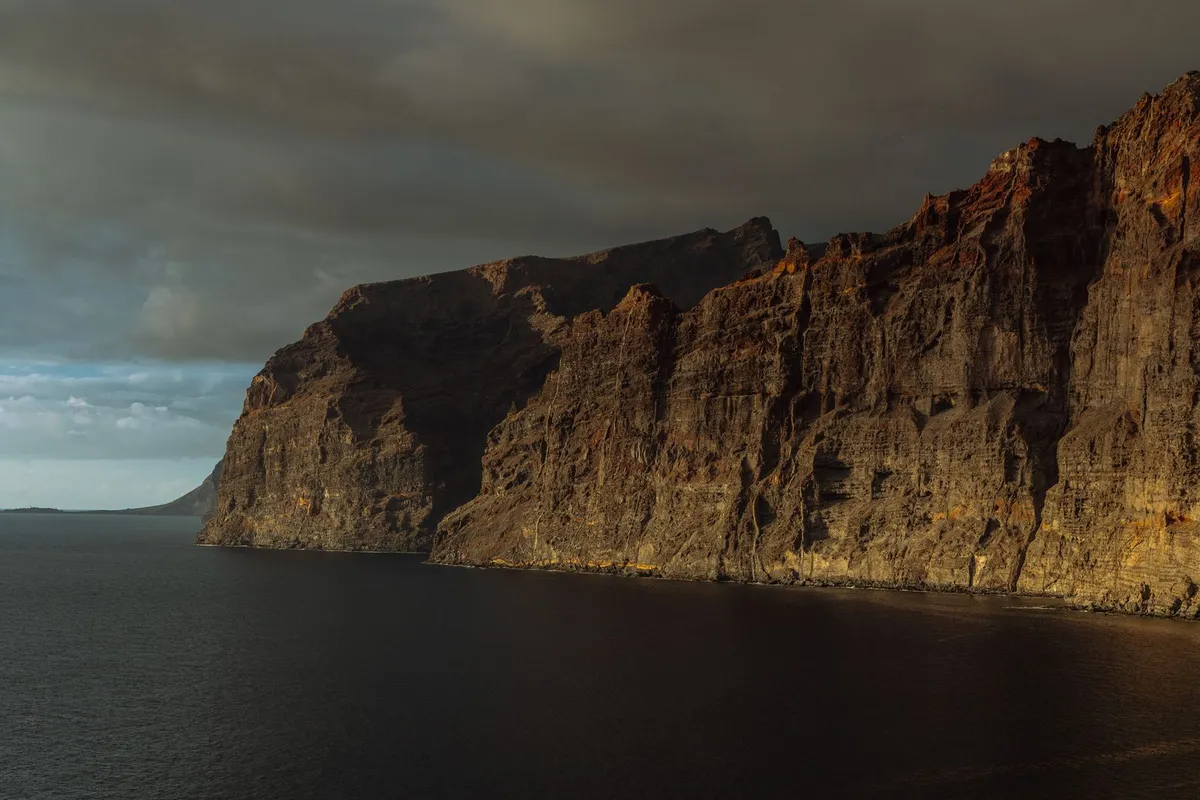
Cliffs rising 500 to 800 m straight out of the Atlantic are the reason this resort exists, and no photo prepares you for the scale. Los Gigantes is quiet, dramatic and built for nature lovers rather than beach collectors. The local beach, Los Guíos, is volcanic sand and modest in size, which is the honest catch: you come here for the setting, not the sand.
The transfer runs about 45 minutes from TFS, prices sit mid to high, and a car is recommended. Skip Los Gigantes if a long golden beach is non-negotiable.
Barceló Santiago plays the location perfectly with cliff-edge sunset pools facing the rock face.
La Caleta / Alcalá
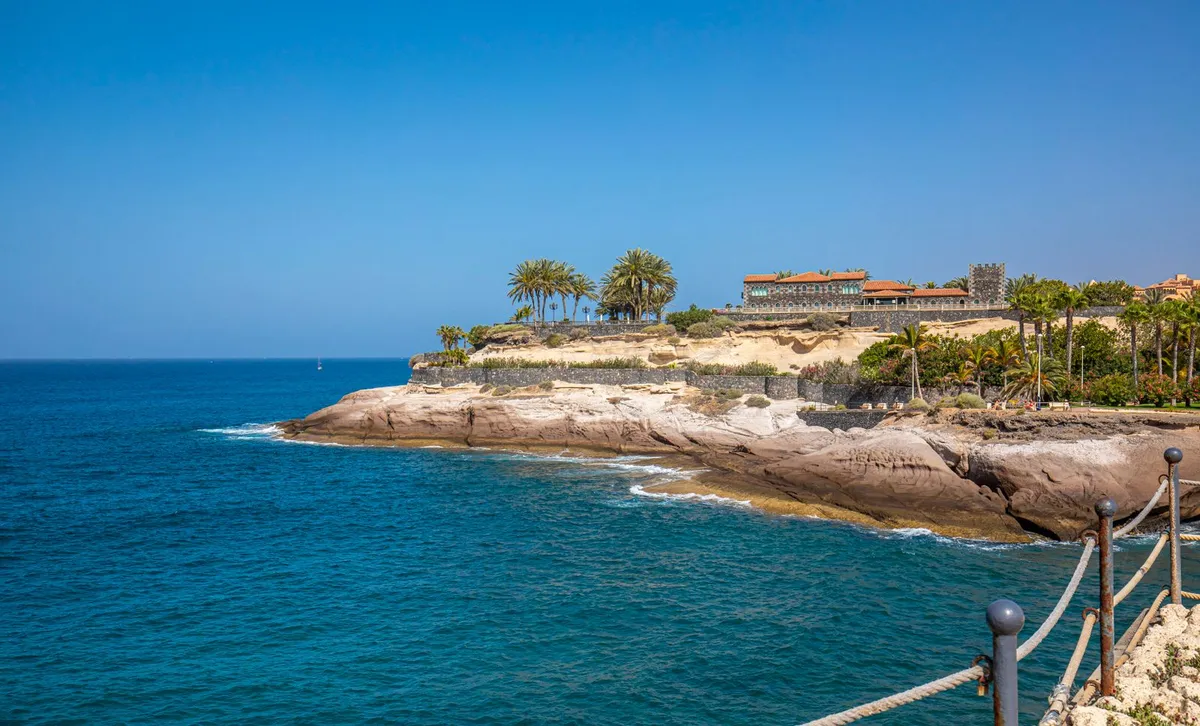
Costa Adeje gets the bookings, but for foodie couples, La Caleta is the smarter call. This pair of fishing villages sits 25 minutes from TFS on the coast just beyond the Adeje strip, famous for fresh-fish waterfront eateries that locals drive to. The beach is La Enramada, dark sand and darker water, quieter than anything on the strip. Prices skew high and a car is recommended, because the point of being here is escaping the promenade economy, not walking it.
Skip it if you want resort infrastructure at your door. Choose it if dinner is the highlight of your day.
The hotel pick is the area's calling card: Royal Hideaway Corales Beach, a 5-star adults-only with Michelin-starred dining on site.
The north
North Tenerife areas
The north is greener, cooler and culturally richer, with the rain-day numbers from earlier as the entry fee. All four bases below fly into Tenerife Norte (TFN), not TFS. Check which airport your flight uses before booking anything here.
Puerto de la Cruz
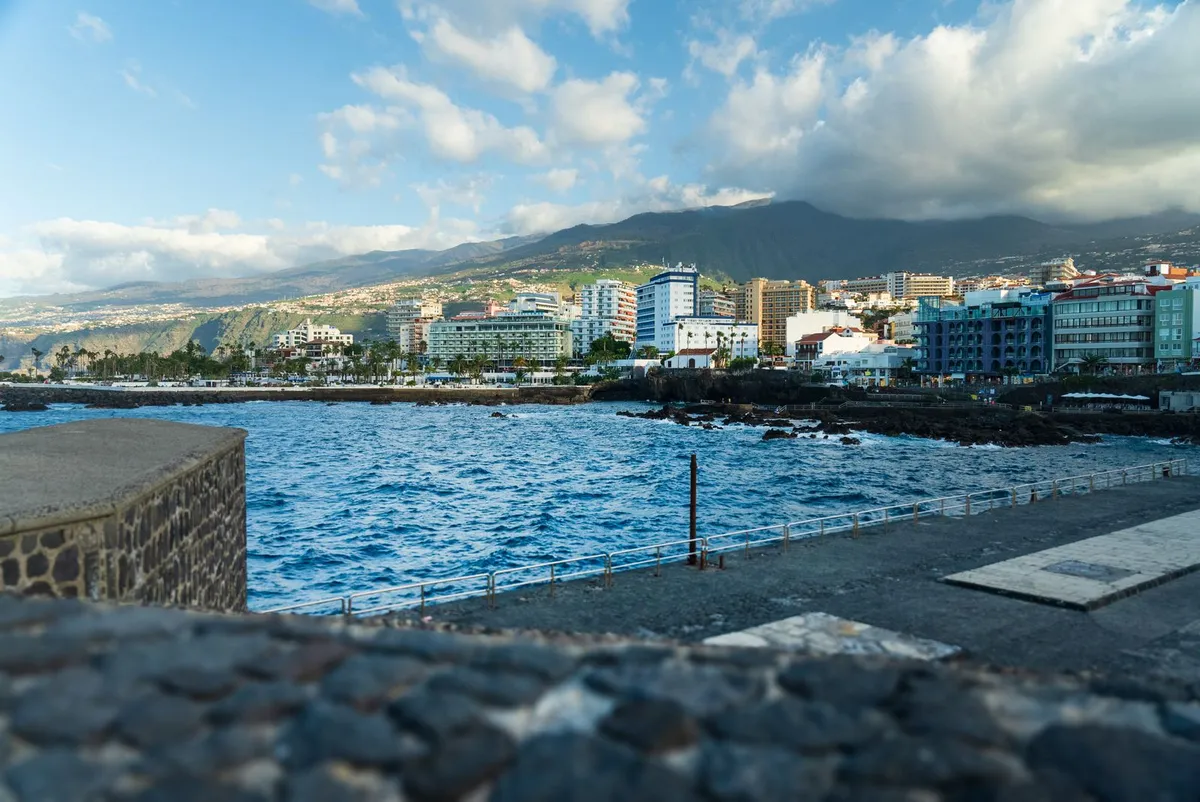
Retro is the right word, and we mean it kindly. Puerto de la Cruz is the island's original resort town, classic rather than fashionable, 25 minutes from TFN, with volcanic-sand swimming at Playa Martiánez and the historic Loro Parque on its doorstep. It suits culture-focused travellers and older visitors who want a walkable town with substance. Prices are mid-range and a car is optional.
A day here has a rhythm the southern resorts don't: a morning at Loro Parque or wandering the town on foot, an afternoon on Martiánez's dark sand, dinner somewhere you chose rather than somewhere the hotel chose for you. The town itself is compact enough that a car sits parked most days.
Two honest caveats. The weather section above applies in full, and the sea on this coast runs livelier than the sheltered south, since the calm water sits on the island's lee side. Swimmers who want millpond conditions belong on the other coast. Skip Puerto de la Cruz if guaranteed sunbathing is the point of the trip.
Hotel Botánico is the grand old 5-star of the town, with extensive spa facilities that justify a rainy afternoon.
Garachico
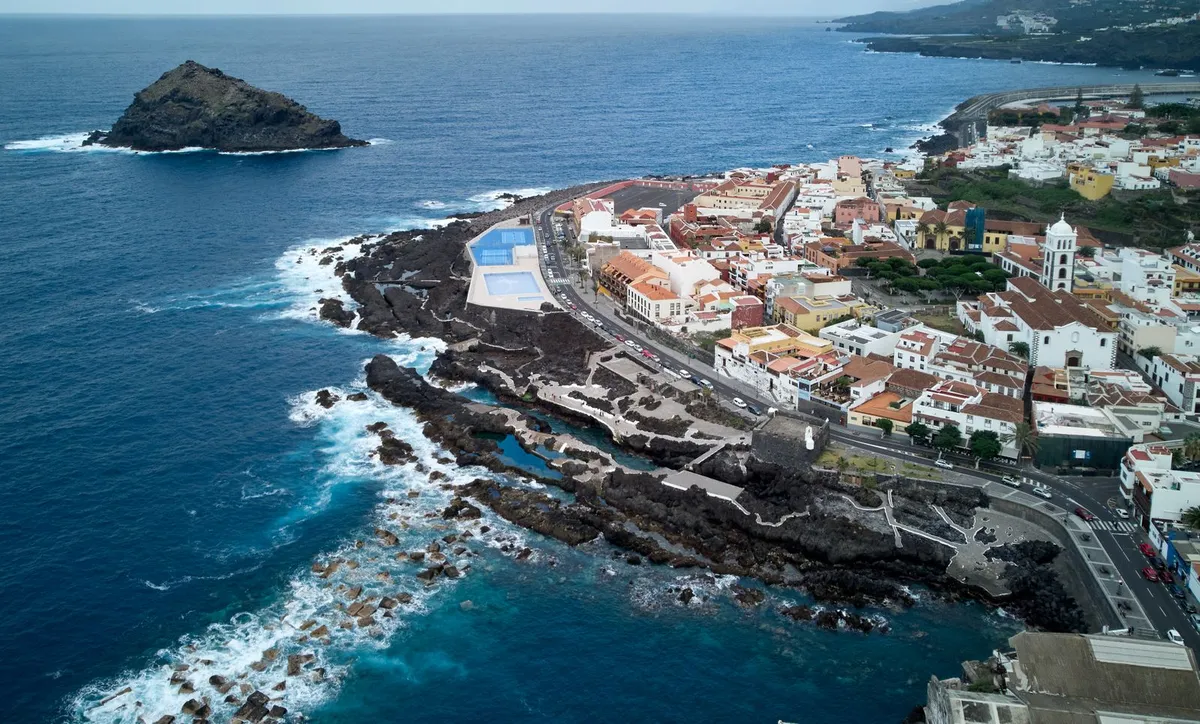
A volcanic eruption destroyed most of this town in 1706, and what was rebuilt is now the most handsome small town on the island. Garachico is historic, chic and genuinely quiet, with swimming in natural rock pools rather than on a beach. It is a 50-minute transfer from TFN, prices run high, and a car is essential.
Understand what a day here looks like before you commit: coffee, the rock pools, a long lunch, and not much else. That is the point of Garachico, and the visitors it suits know it. The car matters because everything beyond the town, including any actual beach, is a drive away, and evenings are as quiet as the days.
Skip Garachico for a first trip; choose it when you already know Tenerife and want its slowest corner.
Hotel San Roque is the reason many people come at all: a converted 18th-century manor, the Casa de Ponte, now an adults-only 4-star.
La Laguna and Santa Cruz
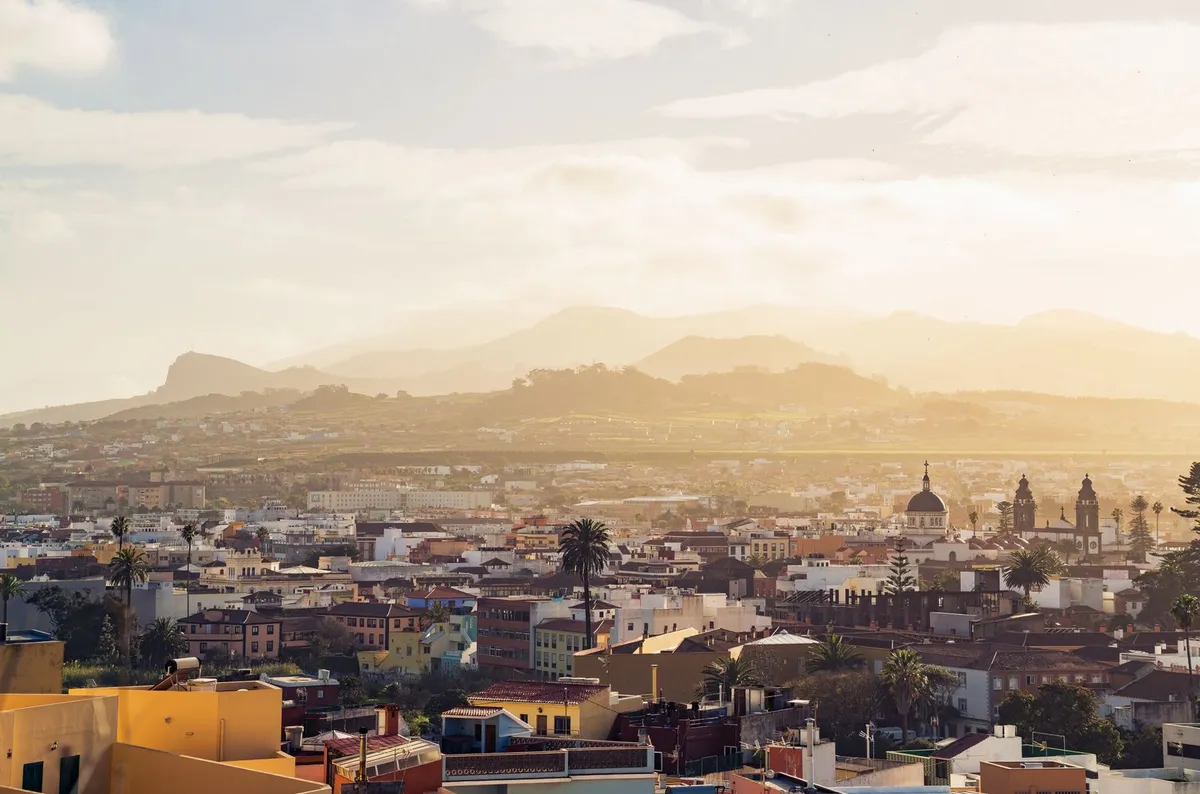
City breaks, not beach breaks. La Laguna is a UNESCO World Heritage city centre ten minutes from TFN, academic and lively, best served by La Laguna Gran Hotel, a modern 4-star in the middle of it.
Be clear on the trade before booking either: La Laguna sits inland with no beach at all, so every swim is a journey, and both cities empty of tourists rather than cater to them, which is either the appeal or the dealbreaker.
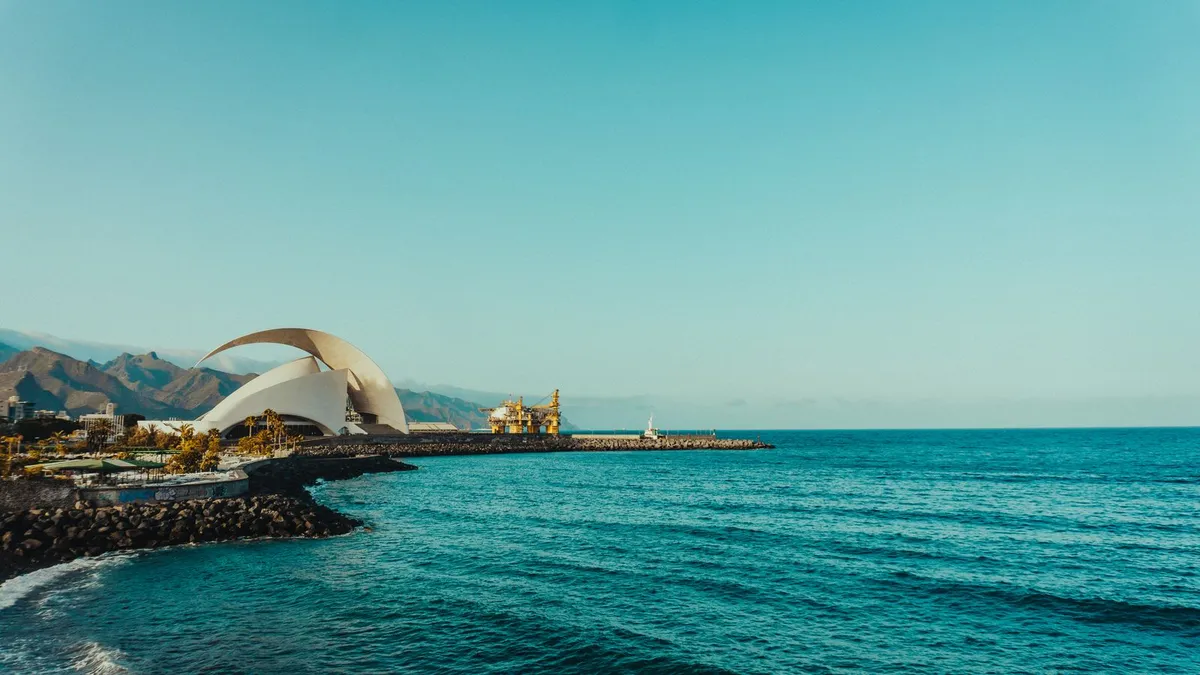
Santa Cruz is the metropolitan capital, 15 minutes from TFN, strong on shopping and dining, with Las Teresitas beach nearby, its golden sand famously imported from the Sahara. A day splits naturally between the shopping streets and a beach run to Las Teresitas, and hotel rates buy more here than in any resort. The Iberostar Heritage Grand Mencey is the city's only 5-star, with more than 75 years of history behind it.
Getting around
Where to stay without a car
Three areas make a completely car-free holiday easy, and they happen to sit next to each other.
Costa Adeje, Playa de las Américas and Los Cristianos form one continuous strip linked by that flat coastal promenade and by buses running every 3 to 4 minutes between them at €1.45 a ride (2026). The airport connection is bus line 40, every 30 minutes on weekdays, €3.20 to Los Cristianos or Las Américas and €3.70 to Costa Adeje (2026). Base in any of the three and you can reach the other two, plus the beaches between them, without ever renting a car.
Santa Cruz also works car-free for a city trip, with the island's best bus connections radiating from it.
The areas that punish you without a car: Garachico, Los Gigantes, La Caleta and El Médano, where a car is either essential or strongly recommended. Full route and ticketing detail lives in our guide to getting around Tenerife.
Your base
Hotel, villa or apartment?
Hotels win for most visitors. Tenerife's full-service hotel stock, particularly in Costa Adeje, is strong enough that the convenience usually justifies the high price tier, and the best beachfront hotels in Tenerife put you steps from the sand.
Villas suit groups and privacy-first trips: more space, your own pool, and pricing that runs high to very high once you divide it by fewer than six people. Apartments are the value play, self-catering and basic, with low to mid pricing that makes long stays and budget trips work.
Our verdict: hotel for a first visit, villa for a multi-family trip, apartment for anything over two weeks. Compare live prices across all three on Booking.com.
Good to know
Frequently asked questions
What is the best area to stay in Tenerife?
Costa Adeje, for most visitors. It combines the island's most reliable weather, the strongest hotel selection, golden-sand beaches and a 20-minute airport transfer, with no car required. The main exceptions: choose Playa de las Américas for nightlife, El Médano for budget and watersports, or the north coast if culture matters more than sunshine.
Is it better to stay in the north or south of Tenerife?
The south is better for weather and beaches, the north for culture and greenery. AEMET climate averages show southern winter highs of 22.2°C against 16.6°C at the northern airport station, and 2.5 rain days a month against 8.0. First-timers and winter travellers should base south and day-trip north.
Where is the posh bit of Tenerife?
The Playa del Duque enclave in Costa Adeje, a quiet cluster of 5-star hotels led by Bahía del Duque, is the island's most exclusive address. La Caleta, just along the coast, is its quieter rival, anchored by the Royal Hideaway Corales Beach and its Michelin-starred dining.
Why is Tenerife on the warning list?
It is not, in any official sense. As of 2 July 2026 there is no active UK FCDO or Canary Islands government advisory against travel to Tenerife. The coverage stems from ongoing local protests about tourism volumes; demonstrations are announced in advance and typically do not affect tourist transit areas. Monitor local news around your travel dates.
Where should I avoid staying in Tenerife at night?
Playa de las Américas' Verónicas Strip can be loud until 3am, so avoid it if you want quiet evenings. El Médano's town centre is safe but has limited dining after 10pm. For peaceful nights, choose Costa Adeje's Torviscas zone or Puerto de la Cruz's old town.
Next steps
Where to go from here
You now know your area. The next decision is the hotel, and the strongest shortlists on the island sit in the south. Couples travelling without children should start with our verified adults-only picks across Tenerife South. If the Duque enclave won you over, the five-star properties of Costa Adeje are compared side by side with honest trade-offs. And before any of it, sort the arrival: our Tenerife South airport transfers guide covers taxis, buses and pre-booked options with 2026 fares.
Related on TenerifeTourism
Sources for this guide: AEMET climate normals 1981–2010, stations C429I (Tenerife Sur) and C447A (Tenerife Norte); TITSA fares (titsa.com, 2026); travel advice checked July 2026. Prices verified at time of writing.
About our research
TenerifeTourism.com is an independent travel research hub. Our editorial team compiles each guide from official sources — the TITSA transport authority, the Canary Islands tourism board, and hotel operators' own data — and we flag clearly when a detail is confirmed versus estimated. Read our full methodology.